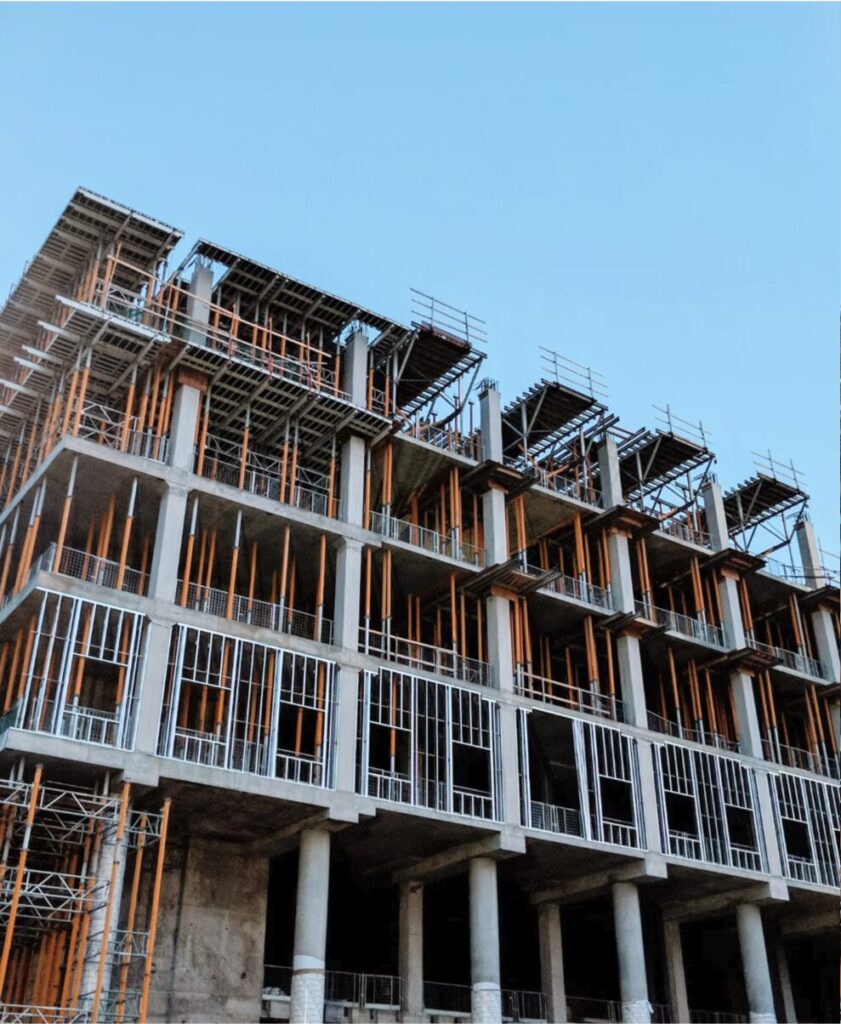
The California Builders Risk Handbook
Builders risk insurance is the policy that protects the physical structure while it’s being built — and it’s also one of the most commonly misunderstood coverages on a construction project. Owners assume it works like homeowners insurance. Contractors assume it’s someone else’s responsibility. Lenders assume it’s automatically adequate. All three assumptions cause real problems, usually discovered right after a loss.
This handbook covers what builders risk actually is, what it covers and doesn’t, how to size limits correctly as a project progresses, and the exclusions that catch California developers most often.
What Builders Risk Insurance Covers
Builders risk — sometimes called course of construction coverage — insures a structure under construction against direct physical loss: fire, wind, theft, vandalism, and most weather events, along with materials and equipment intended for the project while on site, in transit, or in temporary storage nearby.
- The structure itself, from groundbreaking through substantial completion
- Building materials on site, in transit to the site, and in many policies, at an off-site storage location (limits usually apply and should be confirmed, not assumed)
- Temporary structures directly related to construction — scaffolding, fencing, site offices — depending on the policy
- Debris removal after a covered loss, usually with a sub-limit
Kavana’s Recommendation
Confirm off-site and in-transit materials coverage explicitly rather than assuming it’s automatic — this is one of the most commonly misunderstood limits on a builders risk policy, and materials theft in transit is a real, recurring loss category on California projects.
What Builders Risk Does NOT Cover
This is where most disputes happen. Standard exclusions worth knowing before you need them:
- Faulty workmanship, design error, or defective materials themselves — though resulting damage to other parts of the structure is often covered (this distinction gets litigated constantly)
- Employee tools and equipment — contractors’ own tools need separate inland marine (tools & equipment) coverage, not builders risk
- Mechanical breakdown of installed equipment once it’s been tested and accepted
- Flood and earthquake — both require separate endorsements or standalone policies in California, and neither is automatically included
- Delay in completion / soft costs (extended loan interest, additional architect fees, lost rental income) — available only if specifically endorsed
- Loss during periods the project sits vacant beyond the policy’s vacancy clause, which trips up projects that stall mid-construction
What We See in the Real World
The most expensive gap we see is delay-in-completion / soft cost coverage left off entirely. A fire that sets a project back four months doesn’t just cost the rebuild — it costs four more months of construction loan interest, extended GC overhead, and often a renegotiated lease-up schedule. None of that is covered unless it was specifically endorsed before the loss.
Setting Limits That Actually Track the Project
Builders risk limits should reflect completed value, not the value at the moment the policy is bound — a project worth $2M in dirt-and-foundation stage is worth $20M+ at substantial completion, and the policy needs to respond to a loss at whatever stage it happens.
- Completed value basis: the policy is written for the full anticipated completed value from day one, with premium sometimes adjusted based on reporting
- Reporting form basis: the insured reports values periodically (often monthly) as construction progresses, and premium is trued up accordingly — common on larger, longer-duration projects
- Either way, the number that matters is completed value, not current value — underinsuring against current-stage value is a mistake we see repeatedly
Kavana’s Recommendation
Set the policy limit to full anticipated completed value regardless of which basis you use, and if using a reporting form, actually report values on schedule — a lapsed report can create a coinsurance penalty at claim time even when the underlying limit was adequate.
Who Should Hold the Policy
On most private projects, the owner or developer holds the builders risk policy and names the GC and key subcontractors as additional insureds — this avoids a scenario where the GC’s and owner’s individual policies dispute which one responds to a loss. On some GC-led design-build projects, the GC holds it instead. Either way, the contract should say explicitly who’s responsible for placing it.
California-Specific Considerations
- Wildfire exposure varies enormously by region — a project in a WUI (wildland-urban interface) zone should expect more scrutiny at underwriting and should confirm wildfire isn’t sublimited well below the main limit
- Earthquake coverage is never automatic and is priced separately based on soil type, seismic zone, and structure type — budget for it as its own line item
- Water intrusion during the framing-to-dry-in window is one of the most common California builders risk claims, especially on projects that span a wet season
Frequently Asked Questions
Who typically pays for builders risk insurance?
It’s usually built into the project budget as a soft cost, regardless of whether the owner or GC holds the policy — the cost gets passed through either way.
Does builders risk cover a renovation of an occupied building?
Only if specifically written for it — standard builders risk assumes new ground-up construction or a fully vacant renovation. Occupied renovations need a different policy structure, often layered with the existing property policy.
When does builders risk coverage end?
Typically at substantial completion or when the property is occupied, whichever comes first — confirm the exact trigger in writing, since a gap between builders risk ending and permanent property insurance starting is a real and avoidable risk.
Is builders risk the same as general liability?
No. Builders risk covers the structure itself; general liability covers third-party bodily injury and property damage claims arising from the work. Every project needs both.
Next Step
Not sure if a wrap-up makes sense for your project? Run the numbers in about a minute — get a preliminary readiness score, the reasoning behind it, and a recommended next step. Try the Wrap-Up Feasibility Calculator →
Related Articles
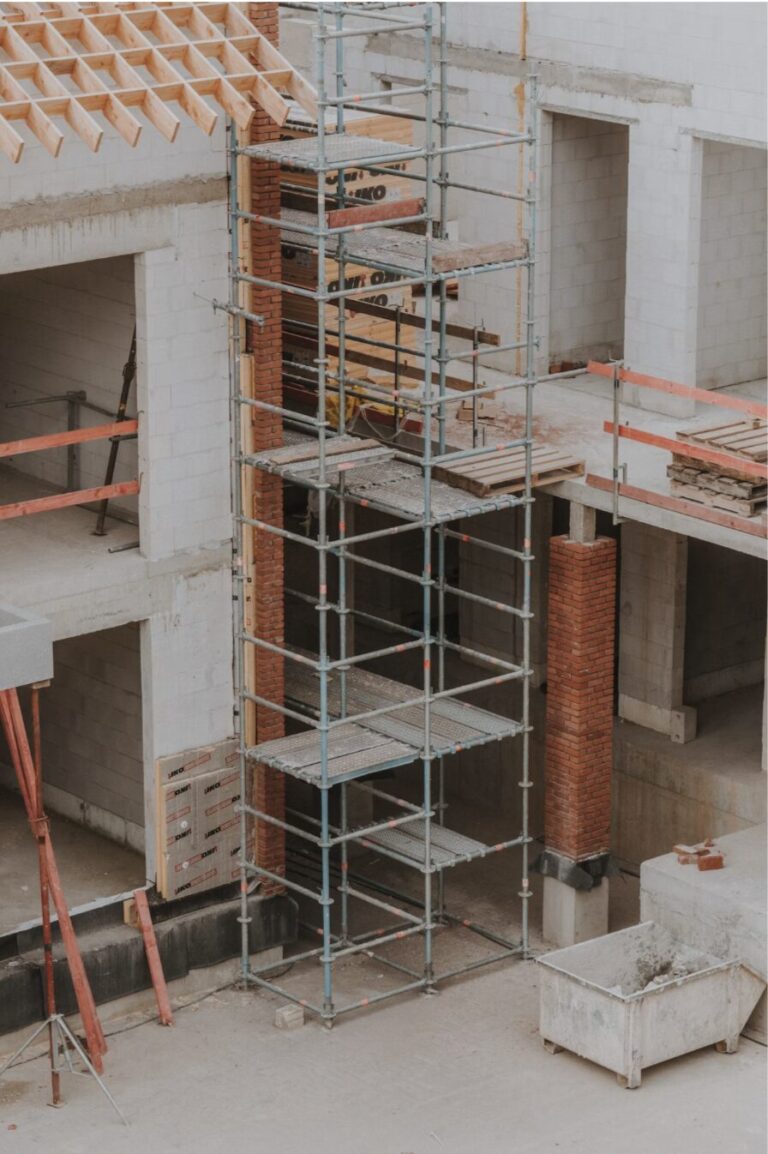
Insuring a Home Remodel and New ADU Without Leaving the Existing House Exposed
Renovating a home while building an ADU? Here's why the existing house doesn't disappear during construction — and how to insure both correctly.
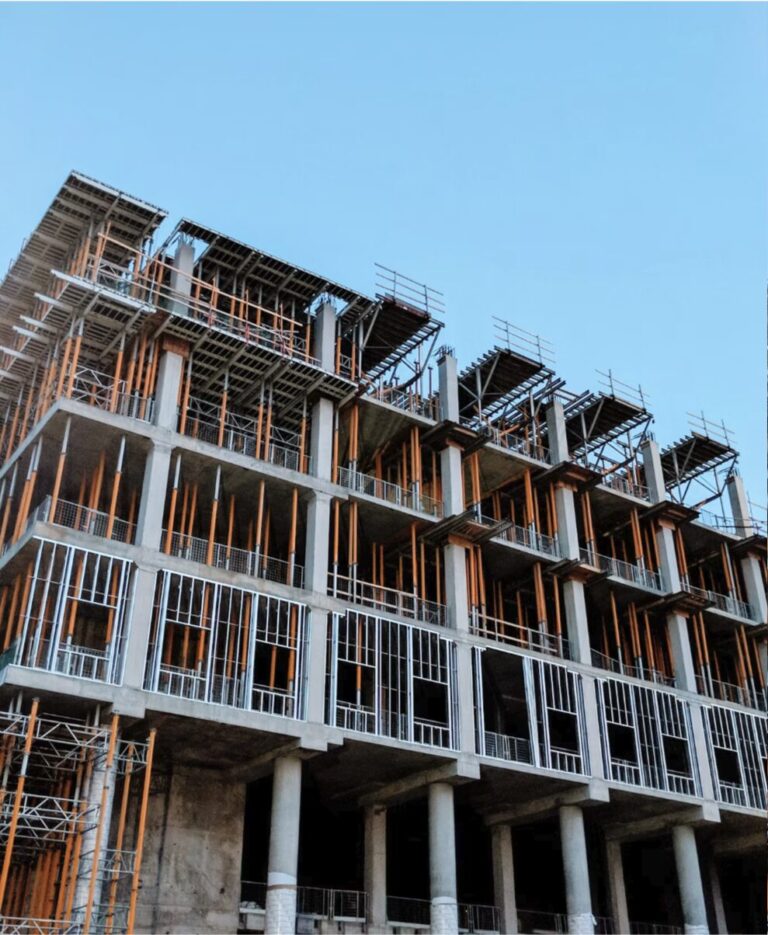
How Much Builders Risk Coverage Does a Major Remodel Actually Need?
A $700K remodel budget doesn't always mean $700K of exposure. Here's how to size builders risk coverage correctly for a major renovation.

Why You Can’t Just Lower the Existing Structure Value on a Builders Risk Policy
A $700K existing structure request to drop to $100K got declined mid-term. Here's why builders risk valuation isn't just a number you can change.