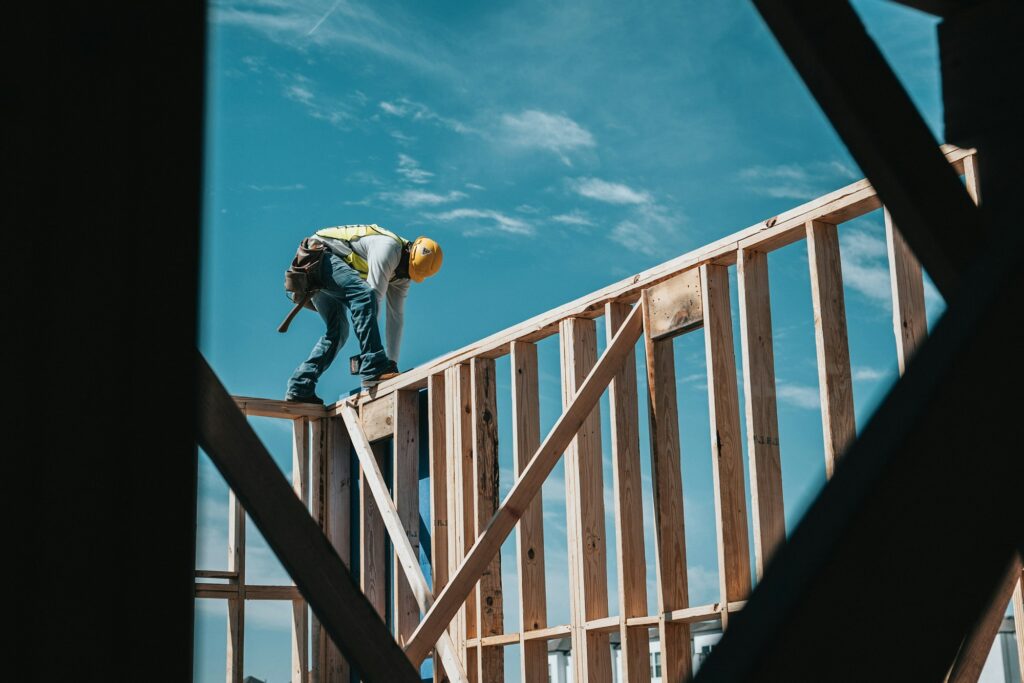
KCRI Field Notes No. 002: When Less Insurance Is the Better Recommendation
KCRI Field Notes No. 002 — Client details and project information have been modified to preserve confidentiality while retaining the underlying insurance and risk management lessons.
Executive Summary
One of the biggest misconceptions in construction insurance is that the best broker recommends the largest insurance program. In reality, the opposite is often true.
Recently, we worked with an owner-builder developing two residential homes in California. The owner expected to purchase a broad commercial insurance package similar to what a general contractor might carry.
After evaluating the project, we recommended a much narrower insurance strategy. Why? Because the goal wasn’t to sell more insurance. The goal was to insure the actual risks.
Project Snapshot
| Project Type | Owner-builder residential development |
| Location | California |
| Construction Budget | Approximately $750,000 |
| Project Scope | Construction of two single-family residences |
The Initial Request
The owner initially believed the project required multiple commercial insurance policies covering nearly every conceivable exposure.
This is understandable. Construction projects involve lenders, permits, contractors, inspections, and significant financial investment. Owners often assume that complexity automatically requires a complex insurance program. Not always.
The Real Question
Instead of asking, “What insurance can we sell?” we asked, “What financial risks actually exist on this project?”
That single question changed the entire conversation.
Risk Assessment
Several observations became clear. The project was relatively contained. The owner was not operating a large construction company. There was no large payroll. The exposure profile differed substantially from that of a commercial general contractor managing dozens of concurrent projects.
Because of those differences, many of the policies initially being considered would have provided little practical benefit relative to their cost.
Our Recommendation
Rather than layering unnecessary coverage, we focused on the areas that represented meaningful financial exposure. Those included evaluating:
- Course-of-construction property protection
- Premises liability
- Contractual requirements
- Lender requirements
- The owner’s personal asset exposure
By narrowing the discussion to genuine risks, the insurance strategy became simpler, easier to understand, and more cost-effective.
Why This Matters
One of the easiest ways to lose credibility as an insurance advisor is to recommend coverage that cannot be clearly explained. Owners deserve to understand:
- Why a policy exists
- What problem it solves
- What it does not cover
- Whether another approach could accomplish the same objective
Insurance should be intentional — not automatic.
Field Observation
Owner-builders frequently compare themselves to licensed general contractors. From an insurance perspective, that comparison can be misleading.
Construction experience, project size, contractual obligations, financing arrangements, and ownership structure all influence the appropriate insurance strategy. Treating every owner-builder like a commercial contractor often leads to unnecessary complexity.
KCRI Perspective
One principle guides nearly every recommendation we make: every policy should solve a clearly identified risk. If we cannot explain the specific problem a policy is addressing, we question whether it belongs in the insurance program at all. Sometimes the most valuable advice an insurance broker provides is not adding coverage — it’s recognizing when additional coverage creates cost without meaningfully improving protection.
Questions Every Owner-Builder Should Ask
Before purchasing insurance, consider the following:
- What insurance does my lender actually require?
- Which risks could create a catastrophic financial loss?
- Which risks can I reasonably retain?
- Am I acting as a homeowner, a developer, or a general contractor?
- How many contractors will be working simultaneously?
- What contractual insurance obligations have I accepted?
- If a claim occurred tomorrow, which policy would actually respond?
Answering those questions usually leads to a much more effective insurance program than simply purchasing every available policy.
Final Thoughts
Insurance should follow risk — not fear. The best insurance programs are not necessarily the largest. They are the ones that match the realities of the project. For owner-builders, understanding that distinction can reduce unnecessary cost while maintaining meaningful financial protection.
Related read: Sometimes the right call is more coverage, not less. See Why We Recommended an OCIP for a Mid-Sized California Condominium Project for a case where a larger insurance program was the correct recommendation.
Talk to Us
Have a project like this one? We’re happy to talk through your specific situation — no pressure, just a straight answer on what would actually make sense. Contact Kavana Insurance →
Related Articles
Insuring a Home Remodel and New ADU Without Leaving the Existing House Exposed
Renovating a home while building an ADU? Here's why the existing house doesn't disappear during construction — and how to insure both correctly.
How Much Builders Risk Coverage Does a Major Remodel Actually Need?
A $700K remodel budget doesn't always mean $700K of exposure. Here's how to size builders risk coverage correctly for a major renovation.
Why You Can’t Just Lower the Existing Structure Value on a Builders Risk Policy
A $700K existing structure request to drop to $100K got declined mid-term. Here's why builders risk valuation isn't just a number you can change.