
Why You Can’t Just Lower the Existing Structure Value on a Builders Risk Policy
Case study details have been modified to preserve confidentiality while retaining the underlying insurance and risk management lessons.
An owner is renovating a property.
The builders risk policy is structured using:
- $700,000 existing structure value
- $1.25 million renovation value
After the policy is ready to bind, the insured says the existing structure is really only worth $100,000.
Why not simply change the number and lower the premium?
Because insurance doesn’t work that way.
A recent Southern California builders risk placement handled by Kavana illustrates an important distinction between market value, perceived value and replacement cost.
The Scenario
The project involved a major residential renovation with approximately $1.25 million of construction work.
The existing structure was initially represented at approximately $700,000.
Later, the insured requested that the existing structure amount be reduced to approximately $100,000.
The carrier declined to make the change midterm.
That wasn’t simply an underwriter being difficult.
The requested reduction fundamentally changed the exposure originally presented to the carrier.
“It’s Only Worth $100,000” Can Mean Several Things
When property owners discuss value, they may be thinking about:
- purchase price;
- current market value;
- land value;
- remaining value before renovation;
- depreciated value;
- what they personally think the old improvements are worth; or
- the portion of the building they intend to retain.
Those aren’t necessarily the values used for property insurance.
Builders risk is generally concerned with the cost associated with insured property exposed to physical loss.
If a structure would cost $700,000 to reconstruct after a fire, declaring it to be worth $100,000 because much of it is being remodeled doesn’t make the reconstruction exposure disappear.
Renovation Makes Valuation More Complicated
Consider a house undergoing an extensive gut renovation.
The owner might reasonably think:
We’re replacing almost everything anyway. The old house isn’t worth much.
Economically, that may make sense.
From an insurance perspective, it can be completely wrong.
The remaining:
- foundation;
- framing;
- roof;
- exterior walls;
- structural components; and
- other existing improvements
could still represent hundreds of thousands of dollars of reconstruction cost.
Why the Carrier Cares
Property insurance pricing is based partly on the amount of value exposed to loss.
Changing an existing structure from $700,000 to $100,000 isn’t a minor administrative adjustment.
It’s an 86% reduction in declared existing property value.
If the physical building hasn’t materially changed, the obvious underwriting question is:
What changed about the exposure?
If the answer is “nothing—we just want a lower insured value,” the carrier has good reason to reject it.
This Is Why Values Should Be Correct Before Binding
Trying to fix valuation after binding creates unnecessary friction.
Before submitting a major renovation, establish:
- Existing structure replacement cost
- Renovation/construction value
- Demolition included in the contract
- Property that will remain
- Property being removed
- Final completed value
- Soft costs
- Ordinance & Law exposure
If a $700,000 structure will legitimately be reduced to $100,000 because most of it is being demolished, document that before placement.
Provide the demolition scope, plans, contractor documentation and a logical explanation for the remaining value.
That’s very different from simply asking the carrier to change the number.
A Better Way to Think About Builders Risk
Don’t ask:
“How low can we make the insured value?”
Ask:
“What would the carrier actually have to pay to restore the insured property after a covered loss?”
That’s the exposure you’re trying to insure.
Artificially suppressing the value may save premium upfront, but it defeats the purpose of buying the policy in the first place.
The KCRI Takeaway
Replacement cost isn’t the same as market value.
It isn’t the same as equity.
And it isn’t the same as what an owner thinks the old portion of a building is “worth” before a renovation.
For major renovation projects, existing structure valuation should be established and documented before the builders risk policy is bound.
When the numbers are defensible from the beginning, underwriting becomes easier, quotes become more comparable, and—most importantly—the policy is far more likely to respond the way the owner expects when something actually goes wrong.
Talk to Us
Have a project with existing structure and renovation value in play? We’re happy to walk through how it should be valued before you go to market — no pressure, just a straight answer on what would actually make sense. Contact Kavana Insurance →
Related Articles
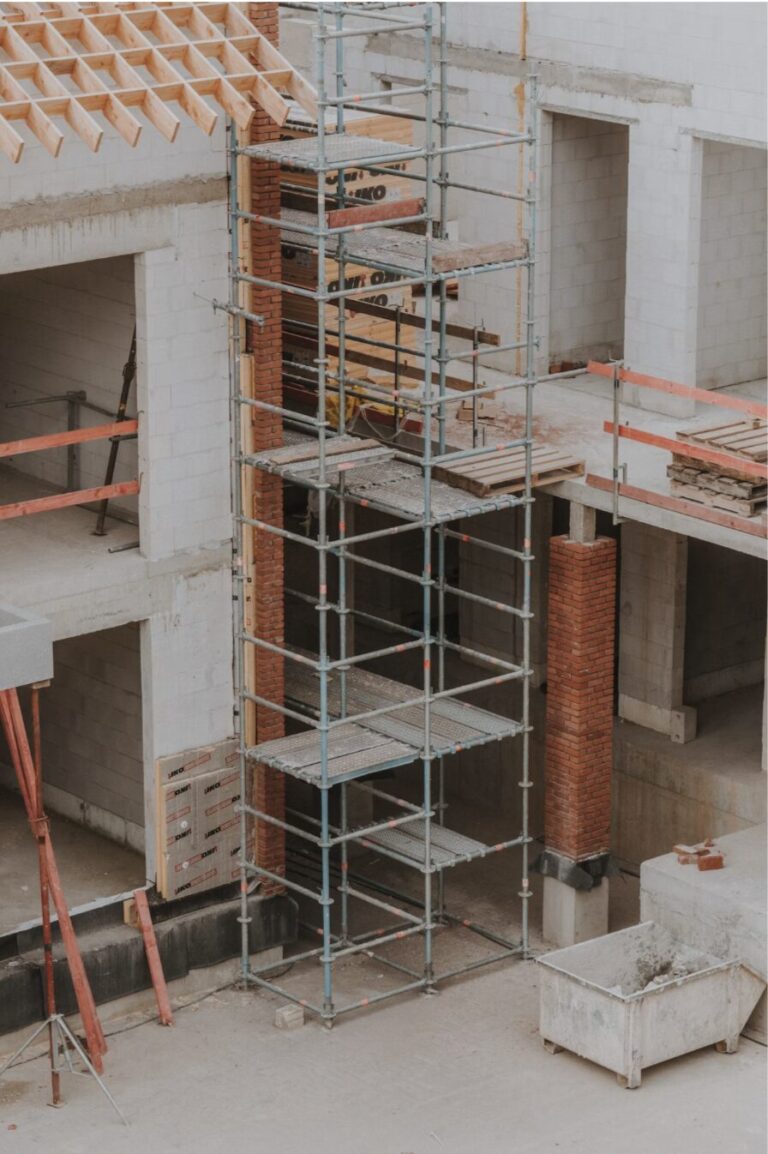
Insuring a Home Remodel and New ADU Without Leaving the Existing House Exposed
Renovating a home while building an ADU? Here's why the existing house doesn't disappear during construction — and how to insure both correctly.
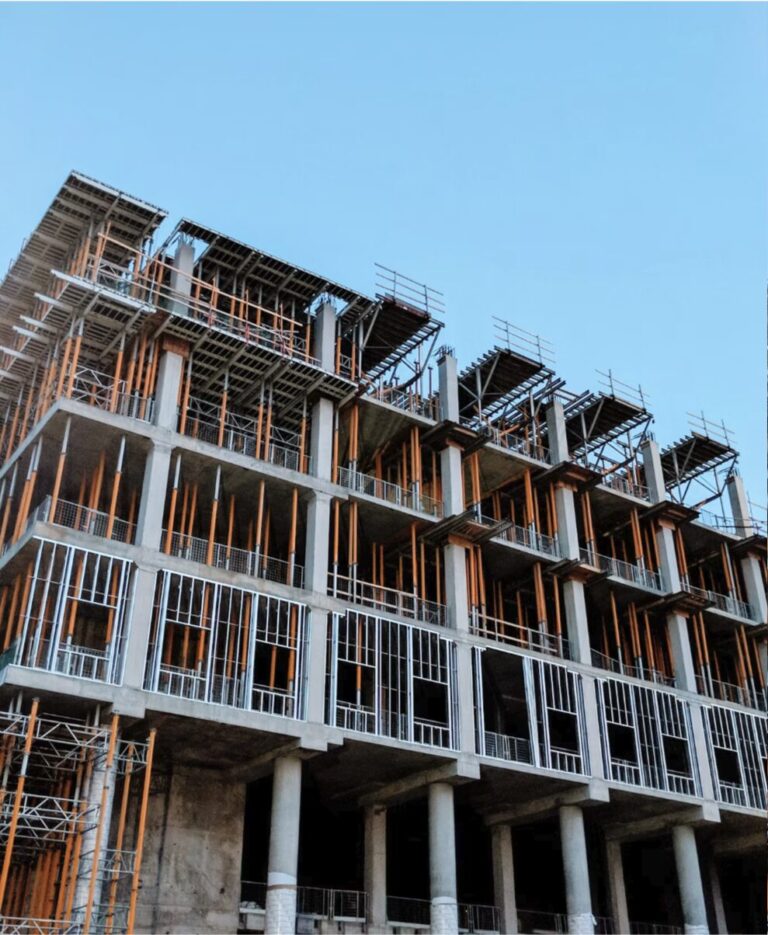
How Much Builders Risk Coverage Does a Major Remodel Actually Need?
A $700K remodel budget doesn't always mean $700K of exposure. Here's how to size builders risk coverage correctly for a major renovation.

Workers’ Comp Market Outlook: Why California and Texas Are Moving in Opposite Directions (2026)
In most of the country, workers’ compensation rates are falling. Employers in California are seeing the opposite. Understanding why matters for any business running payroll in both states.…