
What insurance does a restaurant in California actually need?
Key takeaways
- Most California restaurants need a core stack: general liability, property, workers’ compensation, and liquor liability if they serve alcohol.
- Workers’ compensation is legally required in California the moment you hire even one employee.
- Liquor liability is separate from general liability and is essential for any restaurant with a bar or beer-and-wine license.
- Add-ons like commercial auto, equipment breakdown, and food spoilage coverage protect against the risks unique to food service.
- Kavana Insurance helps California restaurant owners bundle the right coverages without paying for protection they don’t need.
Why restaurant insurance is different
Running a restaurant in California means juggling open flames, sharp knives, slippery floors, hungry customers, and a staff that moves fast all night. Any one of those things can turn into an expensive claim. A single slip-and-fall lawsuit or a kitchen fire can wipe out months of profit, and California’s legal and regulatory environment leaves little room for guessing.
The good news: you don’t need every policy a broker can sell you. You need the right stack for your specific operation. A taqueria with three employees and no liquor license has very different needs from a full-service steakhouse with a busy bar. This guide walks through what most California restaurants actually need, what the law requires, and which add-ons earn their keep.
Want a tailored quote for your restaurant? Explore Kavana’s restaurant insurance options
The core coverages every California restaurant needs
Four policies form the foundation of nearly every restaurant insurance program in the state. Start here before you think about anything else.
General liability
General liability protects you when a third party — usually a customer — gets hurt or has their property damaged on your premises. Picture a guest who slips on a freshly mopped floor and breaks a wrist, or someone who claims a foodborne illness after dinner. General liability covers legal fees, medical costs, and settlements. For most restaurants this is the single most important policy you’ll carry.
Workers’ compensation
In California, workers’ compensation is not optional. State law requires it the moment you hire your first employee, even part-time. Kitchens are full of burn, cut, and slip hazards, so claims are common. Workers’ comp covers medical bills and lost wages when a staff member gets hurt on the job, and it shields you from being sued directly for those injuries. Skipping it isn’t just risky — it can bring criminal penalties and steep state fines.
Commercial property insurance
Your ovens, walk-in coolers, furniture, signage, and the building itself represent a huge investment. Commercial property insurance covers repair or replacement after fire, theft, vandalism, or storm damage. Even if you lease your space, you almost certainly need coverage for your own equipment and improvements.
Liquor liability
If you serve any alcohol — even just beer and wine — you need liquor liability coverage. This is separate from general liability and many owners learn that the hard way. California alcohol liability rules are limited, but restaurants that serve alcohol can still face legal costs, licensing issues, and coverage disputes after alcohol-related incidents, especially when minors or obviously intoxicated patrons are involved. Liquor liability covers the legal defense and damages tied to those situations. No bar program is complete without it.
Not sure what your business legally needs beyond the basics? Read about general liability for businesses
Restaurant insurance at a glance
Here’s how the most common coverages stack up for a typical California restaurant:
| Coverage | What it protects against | Required? |
|---|---|---|
| General liability | A customer slips on a wet floor, or a guest claims they got sick after a meal | Strongly advised |
| Workers’ compensation | An employee burns their hand on the grill or strains their back lifting kegs | Yes (by law) |
| Commercial property | Fire, theft, or storm damage to your building, kitchen equipment, and furniture | Yes, if you own/lease space |
| Liquor liability | An intoxicated patron you served causes harm to themselves or others | Strongly advised if you serve alcohol; may be required by landlords, lenders, or contracts |
| Commercial auto | An accident while your staff delivers food or runs catering errands | Yes, if you own vehicles |
| Equipment breakdown | Your walk-in cooler or HVAC system fails and disrupts service | Optional but smart |
| Food spoilage | A power outage ruins thousands of dollars of inventory overnight | Optional but smart |
Smart add-ons worth considering
Once your core stack is in place, a few extra coverages address risks that are specific to food service. They aren’t legally required, but they often pay for themselves the first time something goes wrong:
- Equipment breakdown: covers the cost to repair or replace critical equipment like refrigeration, ovens, and HVAC when they fail mechanically rather than from a covered disaster.
- Food spoilage: reimburses you for inventory lost during a power outage or equipment failure, which can run into thousands of dollars for a busy kitchen.
- Business interruption: replaces lost income if a fire or covered event forces you to close temporarily, helping you keep paying rent and staff while you rebuild.
- Commercial auto: protects you when employees drive for deliveries, catering, or supply runs.
If you run delivery or catering, take a closer look at commercial auto insurance for businesses before you put a single vehicle on the road.
A real-world example: the Sacramento bistro
Carlos opened a 40-seat bistro in midtown Sacramento with a small beer-and-wine list. To save money in his first year, he carried general liability and workers’ comp but skipped liquor liability, figuring beer and wine were low-risk. One evening, a regular had a few glasses of wine, drove home, and was involved in an accident. The injured party’s attorney named the bistro in the claim.
Because Carlos had no liquor liability coverage, his general liability policy denied the claim — alcohol-related incidents were excluded. He faced the legal costs himself. After that scare, he called Kavana, added liquor liability, and bundled it with his existing policies. His takeaway: the cheapest policy is the one that actually responds when you need it.
How much does restaurant insurance cost in California?
There’s no single price tag, because cost depends on factors like your revenue, number of employees, whether you serve alcohol, your location, and your claims history. A small cafe with a handful of staff will pay far less than a large restaurant with a full bar and delivery fleet. The most reliable way to know your number is to get a quote built around your actual operation rather than a generic estimate.
One important note: buying too little coverage to save money usually backfires, as Carlos learned. A good broker helps you find the balance — enough protection to survive a serious claim, without paying for coverage your business doesn’t need.
How Kavana Insurance helps California restaurants
Kavana Insurance has spent over 20 years helping California business owners protect what they’ve built. We work with hundreds of carriers, so we can shop your restaurant’s profile across the market and assemble a package that fits both your risks and your budget. Whether you run a food truck, a neighborhood cafe, or a full-service restaurant with a busy bar, our team explains every policy in plain language — no jargon, no surprises. Get a restaurant insurance quote from Kavana →
Conclusion
Every California restaurant needs a core foundation: general liability, workers’ compensation, commercial property, and liquor liability if you serve alcohol. From there, smart add-ons like equipment breakdown, food spoilage, and business interruption protect against the risks that come with running a kitchen. The exact mix depends on your menu, your staff, and how you operate.
The smartest move is to talk through your specific setup with a broker who knows California’s rules and carrier market. Reach out to Kavana today and we’ll help you build coverage that fits your restaurant — and your budget.
Related Reading
- Ghost kitchens & food trucks: are they covered under standard restaurant insurance?
- Top 5 Mistakes Small Business Owners Make When Choosing Insurance
Get a Quote
Ready to see how your coverage compares? Get a fast, no-obligation quote from a licensed California and Texas broker. Get a Quote →
Related Articles
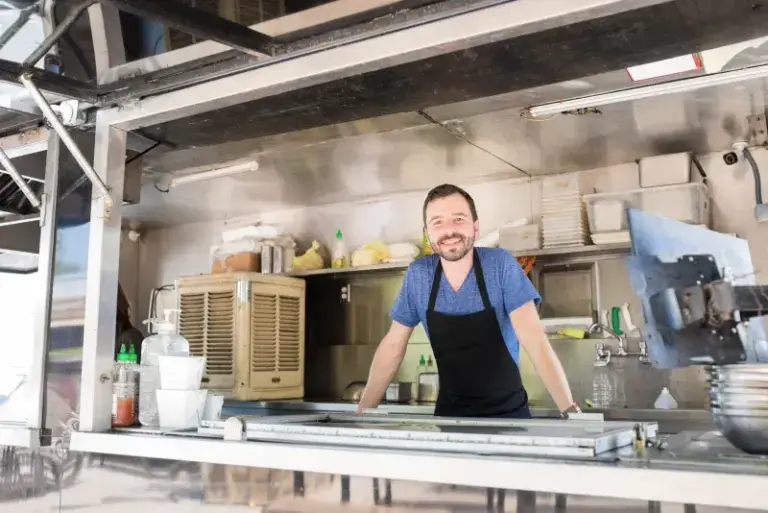
Ghost kitchens & food trucks: are they covered under standard restaurant insurance?
If you run a ghost kitchen or a food truck in California, you’ve probably wondered whether the restaurant insurance you already know covers your operation. The short answer…

What is an additional insured – and why does it matter for your business contract?
If you run a business in California, whether you’re a contractor, a tenant leasing commercial space, a vendor, or the company hiring them, you’ve almost certainly run into…

How to choose the right deductible for your policy
When purchasing business insurance, one of the most important decisions you’ll make has nothing to do with coverage types or policy limits. It’s about choosing your deductible –…